
How long to marinate meat, and what a marinade really does

A marinade is not a magic tenderiser. It is mostly water, oil, salt, acid and spice, and the amount that actually gets into the meat is smaller than most recipes suggest. Knowing which ingredient does which job is the difference between a marinade that improves beef and one that turns its surface to paste.
What a marinade can and cannot do
The flavour compounds in garlic, herbs, spices and chilli are large molecules. They travel only a few millimetres into the surface, which is why a two day soak still leaves the centre of a thick steak tasting of plain beef. What you taste is the crust and the outer edge, which is worth having, but it is not the same as seasoning meat through.
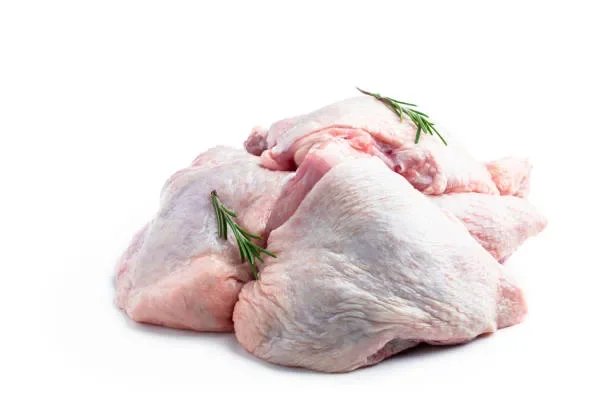
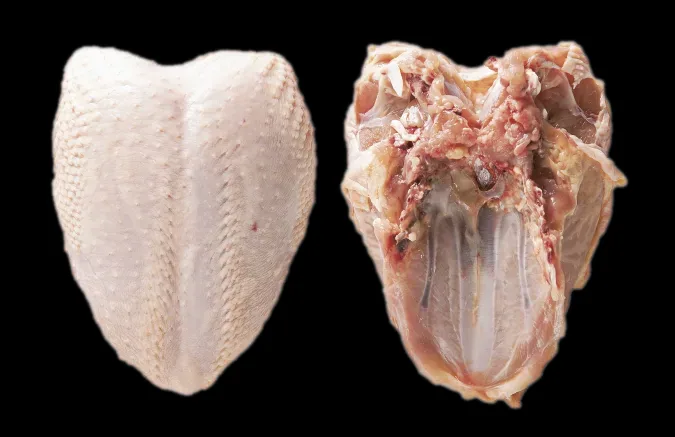
Salt is the exception. It is small enough to move through the meat, and it is the only common ingredient in the bowl that genuinely changes texture. Everything else is surface work: acid softens the outside, oil carries flavour and helps the crust brown, and sugar browns fast and burns faster.
Salt is the real work
Salt at about 1 per cent of the weight of the meat is enough: for a kilo, 10 g, roughly two level teaspoons of fine salt. For chicken pieces, the same. Rub it in, cover it, and put it in the fridge.
- Thin pieces such as steak, chicken fillets or goat chops: 45 minutes is plenty.
- Chicken pieces on the bone: 4 hours, or overnight if you are organised.
- Whole chicken: overnight.
- Large roasting joints: 24 hours, uncovered on a rack so the surface dries.
Salt this way seasons the meat to the centre and holds water in the muscle instead of letting it run out into the pan. A salted chicken piece stays juicier than one thrown straight onto the fire, and it browns better because the surface is drier.
Acid: how much and how long
Acid is where most marinades go wrong. Lemon juice, vinegar and yoghurt all soften the surface proteins, and past a certain point they keep going until the outside of the meat turns chalky and cooks up grey and watery.
- Yoghurt is the gentlest and the most forgiving. Chicken, goat and lamb can sit in salted yoghurt overnight with no harm.
- Lemon or lime juice is strong. Give beef 20 to 30 minutes, chicken pieces 2 hours, goat 30 minutes to an hour. Not overnight.
- Vinegar is the strongest of the three. 15 to 20 minutes is enough, and it is better used in a sauce than as a soak.
If you want the taste of lemon without the softening, use the zest and add the juice after cooking.
Sugar, honey and tomato
Anything sweet in a marinade burns before the meat is cooked. Honey, sugar, tomato paste and most bottled sauces will take a piece of chicken from golden to black in a hot oven or over charcoal. Use them as a glaze in the last ten minutes, over lower heat, or leave them out and let the meat brown on its own.
A time table that works
- Beef steak: salt only, 45 minutes. A marinade adds nothing to a good steak.
- Beef cubes for stew or wet fry: salted yoghurt with garlic and ginger, 2 to 4 hours.
- Goat for nyama choma: oil, coarse salt and crushed garlic, 2 hours. No sugar, no lemon.
- Chicken pieces for the oven or grill: yoghurt based, 4 hours or overnight.
- Chicken fillets for a quick pan: 30 minutes, and no acid at all.
- Liver and kidney: no marinade. Clean them properly and cook them hot and fast.
Three marinades that fit Kenyan cooking
For beef wet fry or stew. Half a cup of plain yoghurt, a tablespoon of crushed garlic, the same of grated ginger, a teaspoon of salt and a teaspoon of ground coriander per kilo of beef. Four hours in the fridge, then cook the meat in its marinade rather than draining it, so the yoghurt thickens the sauce.
For goat on the grill. Three tablespoons of oil, a tablespoon of coarse salt, four crushed garlic cloves and the juice of half a lemon per kilo. Two hours. Wipe off the excess before it goes over the fire so the oil does not flare and blacken the meat.
For chicken in a curry. A cup of yoghurt, a tablespoon of ginger and garlic paste, a teaspoon of turmeric and salt. Overnight. Turmeric stains, so use glass or steel and not plastic.
Practical points people skip
- Use the fridge, not the counter. Nairobi is warm, and meat sitting on the kitchen table for three hours is a risk rather than a technique.
- Glass or steel containers. Acid reacts with aluminium and plastic holds the smell.
- Never re-use marinade that has held raw meat as a sauce. Boil it hard for three minutes or throw it out.
- Pat the meat dry before it hits a hot pan. Wet meat steams, dry meat browns.
Everything at DannyKam Butchery is halal and cut to order at City Market Stall 56, and nothing sits in a freezer. Take any cut in any weight you like from half a kilo upwards, and we deliver the same day anywhere in Nairobi. Pay by M-Pesa till 9700565.
Cut to order, never frozen, delivered across Nairobi the same day if you order by 6:30 PM.
See what we have today →